twitter instagram pinterest
  • Home
  • Pharmacy
    • Pharmacy School
    • Study
    • Brush Letter Pharm
    • Residency
  • Life Style
    • OOTD
    • Adventures
    • Poshmark
  • About

The Pink Apothecary


So you just started APPE. You're stressed and frantic trying to keep up with journal clubs and topic discussions, and having to be at the hospital for 6:30am rounds is slowly killing you. Preparing for residency application season is a whole 6 months away and is honestly the last thing on your mind. But, it shouldn't be. It is so easy to start preparing now, so that when PhORCAS opens up you are armed with all the information you need to fill out those apps with ease.

Document your interventions

On residency interviews you'll be asked time and time again "tell us about a time when you.....". These are situational based questions meant to evaluate your behavior, coping, attitude, etc. The best type of answer to this sort of question is responding with a relevant intervention you made! So, it will be a massive help to yourself if you start documenting all the awesome pharmacy interventions you make on rotation. Create a document, organize it by rotation, and write in a short summary of what you did. Thats it, its so simple! You think you'll remember that super cool thing you did from June in December, but let me tell you, you won't. Your brain is going to be so crowded with all the stress of apps and rotations will blend together. I created one of these documents and was really diligent about using it for my first 3 rotations, but then I fell off the wagon after that. When I was preparing for interviews I found myself referencing the document quite a bit and becoming frustrated with myself for not recording interventions I had done at the rest of my rotations. So trust me, recording this stuff will help!

Volunteer for extra work

If residency is your end goal you need to optimize your experience in all your clinical rotations. In my inpatient and ambulatory care rotations, I said yes to every project, opportunity, and event. Saying yes, and being genuine about it, shows that you're ready to work hard, and that you care about the work that you're doing. Your preceptors will repay you for that enthusiasm. I was extremely excited to be taking on the extra projects my preceptors offered me, and a lot of the projects ended up becoming the center of my residency application. I was able to be involved in papers, and presentations that were great talking points during my interview.

Think about letters of recommendation early

Think about the rotations that are most in line with where you see yourself as a future pharmacist and consider asking the preceptors in those rotations for letters of recommendation. While you should be working your butt off in ALL your rotations, it is in these rotations that you should try to shine as much as possible. You want your letter writers to have a lot of good things to say after all! Also, thinking about this early on and planning which preceptors you may want letters from will help your be prepared in case a preceptor is unable to write a letter. Wait till the end of the rotation and if possible, ask them in person!

Keep your CV up to date

Your CV should be updated continuously and in real-time. That whole thing I mentioned about forgetting interventions earlier? Yeah, it applies here too. There were a few times I did an event or joined an organization and forgot to immediately add it to my CV and guess what, it never made it there for residency interviews. I can tell you I labored over my CV, edited it countless times, and totally forgot to add one of the major organizations I was in. Did this matter in the end? No. But if you have an experience you're proud of it deserves to be on that CV! So try to keep up with it as much as possible and you'll thank yourself come December.


I promise doing these four simple things will help immensely when you start inquiring about residency applications. It is already a stressful time and anything you can do to alleviate the anxiety surrounding it will be a huge help. Good luck and there will be more advice to come as interview/app season approaches!
June 08, 2018 No comments


Many people view social media as trivial, and in present times its often difficult to find social media painted in a positive light. I've always loved it because I view it as more of an outlet for creativity, a way to explore and a venue to learn. More and more, I'm using it as a venue to learn and that is part of the reason why I started this blog! Yes, I partake in mindless scrolling through Pinterest and Instagram, but I realized that social media provides a great opportunity for engagement as well. The presence of health professionals on social media has boomed in the last few years, leading to popular Instagram accounts and Twitter accounts portraying everything from the daily lives of those in medicine, to study pearls for those training to be in medicine. It is through these social media venues that I've been able to communicate with healthcare professionals from other institutions and learn from the articles they post and the tips they so generously share. As the presence of healthcare professionals on social media grows exponentially, I feel it is important that students learn how they can utilize this to their advantage. I've talked before about how students interested in emergency medicine can use online resources to expand their interest, but today I'm going broad! Social media can be an important weapon in the educational arsenal of a student, if used properly. However, caution should always be taken when it comes to reading an individual's interpretation of a study, or opinion on a medication and we should try to ensure that there is a level of evidence-based medicine being applied. Still social media has the opportunity to broaden student horizons, introduce them to new concepts and help them discover new ways to study. Below I elaborate on some of the social media venues I utilize for this.


Pinterest

Pinterest is a fantastic site for the visual learner. I never used to use it for much more than searching pretty pictures of flowers or outfits but I discovered that Pinterest is also home to many infographs and charts as well. I used to have a really hard time remembering the flow of blood through the heart (silly, I know, but anatomy and physiology was never my strong suit early in pharmacy school). I remembered searching for a visualization of blood flow on Pinterest to keep on my phone and help reinforce the information. What I found was diagrams of blood flow, but also of ECG interpretations, and electrophysiology of the heart, all of which were concepts I found incredibly difficult to remember. I started to save these images to a pharmacy board, to go back to when my memory fell short. I can't completely credit my renewed confidence in my anatomy and physiology knowledge to Pinterest, but having those visual diagrams certainly helped. There are also some mnemonics (both visual and word-based) that I've discovered via Pinterest and have proved very helpful. So if you're a visual learner like I sometimes am, I would highly recommend creating a pharmacy board for yourself.

If you're looking for a place to start or an example of a pharmacy board, you can check out mine here!

Twitter

Twitter is really where I started exploring the opportunities for student education on social media. A preceptor I had introduced me to the many healthcare professionals on Twitter who create educational content and encourage academic discourse. I was ecstatic to find a community of people interacting with one another about new studies, and research, and sharing pharmacy pearls too! I always struggled with finding information about new studies so this was a great venue for me to see what my peers and preceptors had to say about what was going on in the pharmacy world. Getting started on Twitter and engaging with other professionals can be intimidating especially when you are a student, but I have often learned more from simply reading, or replying to tweets with questions.  The great thing about Twitter is that you don't have to engage if you don't want to; It can be a place where you just load your feed with great educators and sift through the articles. Special tip: a lot of organizations have specific twitters for certain specialities, for example ACCP has one for ambulatory care, infectious disease and emergency medicine. If you're interested in a certain field, you can customize your followers by searching for accounts that focus on your interests too!

Here are some of my favorite people/organizations to follow on twitter (in no particular order):

  • Tony PharmD
  • Find Your Script (Jessica Louie PharmD)
  • CorConsult Rx
  • Antibiotic Tweets
  • The ED Pharmacist
  • ID Stewardship
  • Pharmacy Joe
  • ASP Chat
  • David Roy, PharmD
  • The AB of PharmaC
  • ACCP 
  • ASHP
Instagram

Instagram is great for educating even outside of blogging. While Instagram blogging is more of a place for narratives and opinions, there is also a space for study-based blogging. I find that it provides many of the same benefits as Twitter, (offering studies, research and professional opinions) but on the more visual than written side. Some of the great Twitter accounts I have shared also have adjunctive Instagram accounts which is helpful when I would rather look at a diagram of a study outline versus reading about it. I should also mention, I follow MANY pharmacy bloggers, and they're all fantastic, so this is a very limited grouping of some of those I follow who are more education-geared. 

  • CorConsult Rx
  • ID Stewardship
  • Ms.Rx Geek
  • Prescribe This
  • Find Your Script
Miscellaneous

The other place I get educational content from is my email. If you haven't already joined local chapters of big pharmacy organizations, I would highly recommend it. Not only is that a great way for students to get involved and network, but joining an organization opens you to their resources. Organizations like ASHP and APhA send out daily emails with pharmacy news, and also allow you to join forums. I get emails daily from certain forums on topics like ambulatory care and immunizations so I can read professionals discussions and updates about the subjects. I also get updates from the FDA, and CDC to stay up-to-date on a more national level. Information about new studies are included in a lot of the pharmacy organization emails, but I get emails from JAMA, QxMD and Journal Feed as well. Journal Feed is cool in particular because it sends you a summary of a newer article daily!


In summary, you don't have to be a blogger to use social media as a study tool. There are many ways of active or passive interaction you can have on social media that can aid in your studying. The beauty of it is that what you get out of it is all up to you! You can lurk and read or speak up and ask questions. You can scroll through pictures or scroll through articles. It is all personalized to you, which contributes to why I think social media can be a great adjunct in a pharmacy student's education.

May 08, 2018 No comments


I don't know about ya'll, but I am SO ready for the weather to catch up to the season (hellooooo spring, where are you?)! Its finally starting to warm up over here in New Jersey, and I was searching for some new accessories when I stumbled upon JORD watches. Their men and women's watches are THE perfect rustic and minimalistic match for an eclectic spring wardrobe.

Lets be clear: I wear a lot of color in spring and summer. I love any color that looks like it'd come out of a highlighter, but sometimes that means that matching accessories can be a bit difficult. I've discovered that a wooden watch is the perfect accessory for a girl like me who loves color and just needs a watch to match everything! I absolutely love pairing my new wooden JORD watch with my colorful wardrobe. I fell completely in love with the Frankie model in ebony and gold because it is perfectly minimalistic, and matches in with all my spring and summer accessories. The hint of gold also helps it to match with all the gold jewelry I own. I've worn it multiple times with multiple colors, and the wooden style brings a rustic touch to literally any outfit.

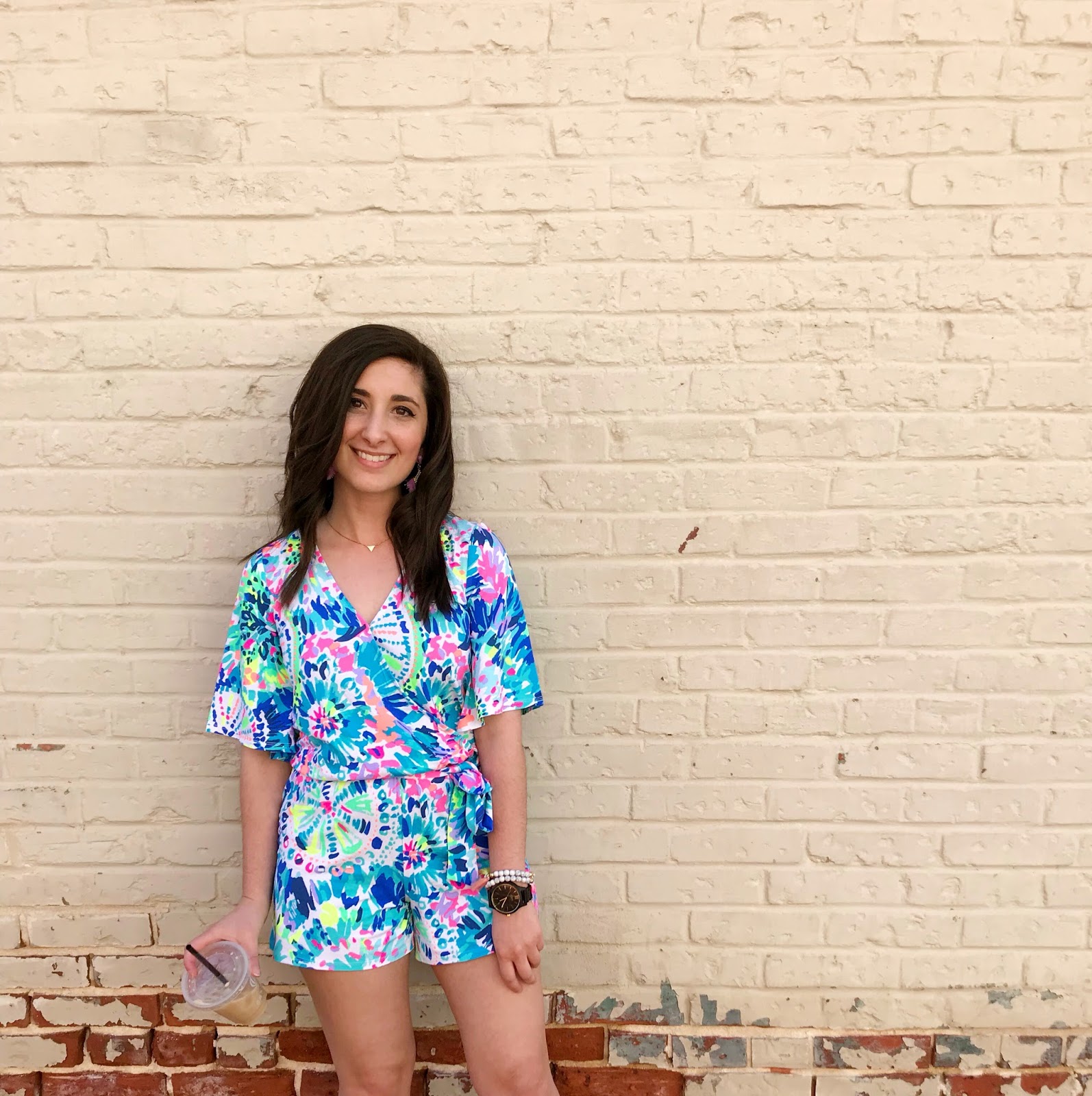
Most recently, I paired it with my most favorite Lilly Pulitzer romper, and a cute howlite bracelet set from Francesca's. The juxtaposition of color with the ebony wood was a beautiful contrast.


Usually with lighter, vibrant colors, I stick to the same with my jewelry. I was so surprised to see how a minimalistic piece didn't take away from the fun of the outfit, rather it completely complemented it and gave it a rustic vibe.  All in all, this is one of my most favorite watches in my collection. I love that I don't have to hide it away for certain seasons or avoid it with certain outfits, it goes with everything.


I'm also super happy to be teaming up with the great folks at JORD watches to be doing a giveaway! One winner will have the chance to win a $100 giftcode to their website to go toward one of these timeless pieces, and all participants get a 10% off code just for entering! The contest closes on 05/13/2018 at 11:59pm CST. 10% off codes are good until 05/27/2018.

Hopefully ya'll enjoyed this review. I can't wear to show this piece off more! Luxury Wooden Watch
April 25, 2018 No comments


A few weeks after ASHP's Mid Year conference, and the official start of my residency journey, one of my mentors from my program reached out to me. He wished me well on any potential interviews I might receive, and said, "The next 8 weeks ought to be a lot of fun. You'll learn much more than you ever expected-about residencies and about yourself. Stay calm." Of course I appreciated the sentiment, but I could not fully grasp what that would mean for me. Little did I know, my journey to residency would double as a journey to self-discovery too!

Despite having good grades and a well-rounded CV, I still felt the need to apply to a bunch of programs in order to improve my chances of hearing back about interviews. It wasn't too hard to choose places that I was interested in. I knew that it was time for me to try to leave Philadelphia/NJ. I love Philadelphia with all my heart but I have been there my entire life. I've had friends who have left the area for school or work and came back, and some who didn't, but I had always been a constant here for them to come back to. I knew it was my turn to fly out and see if I could be successful elsewhere too. That choice broadened my list of programs. I also exclusively chose programs that offered electives or opportunities to rotate into transplant settings.  During my first APPE rotation I discovered that I LOVED transplant, and I knew that if I wanted to explore doing transplant (and potentially specialize in a PGY2) that I needed to find programs that could support it. Overall it was super important for me to find well-rounded programs, with plenty of opportunities and on the cutting edge of medicine. Way too many applications and personal statements later, I ended up with 7 interviews, and only had to turn down 1.

January and February were a total whirlwind. In the course of just a few weeks I traveled to places like Virginia, Connecticut, central Pennsylvania and even my home city of Philadelphia. Most were places I was quite unfamiliar with. In the days prior to my first interview, I practiced questions religiously (which I was advised not to do because the first interview always ends up being a mess anyway). I don't regret practicing because it definitely kept me afloat in that interview for longer than it would have if I didn't practice! I fumbled and stuttered and did all sorts of messy things but managed to keep it together overall. I certainly didn't know how I was going to get through 5 more after that initial one because let me tell ya, interviewing from 8am to 4pm is EXHAUSTING. Luckily it did get easier with each interview I went to.

One of the things that led me to reflect more on who I was as a person, was that I went to each of these interviews by myself. I spent a lot of time alone, driving, hanging out in my hotel and constantly pondering the life events that had gotten me to that point. After all, I was being asked about my life at just about every interview so I considered it a type of prep! It was my trip to Virginia that ultimately led me to realize just how much I had learned about myself throughout the whole process. It also led me to realize just how capable I was of being independent. Virginia marked the middle of my journey and I only had three interviews left but I was utterly exhausted! After a long 5 hour drive to my hotel, I decided to do something for myself. I got right back into my car and drove west to Shenandoah National Park. I went in through Rockfish Gap, with no real plans other then to drive Skyline Drive for as long as I could. I remember pulling off onto one of the overlooks and sitting on the hood of my car, looking out into the valley and enjoying the serenity it brought me. It was the first stretch of true quiet I had in weeks. Even when I was traveling alone I had the noise of my own busy thoughts floating about, but not there. I thought about how just a year ago I had been ill, and would have never attempted this. Two years prior, I was completely emotionally-dependent on a boyfriend who just didn't feel the same. Three years prior I was terrified out of my mind to leave my undergraduate friends and start pharmacy school. And yet there I was, in Shenandoah, by myself, surviving, thriving, and making it through. I had an overwhelming sense of calm flood my mind as I realized that I had been okay all those times, and more than likely, that meant I'd be okay at the end of residency interviews, no matter what happened.


On March 20th, match day, I woke up and went through my normal routine. Had coffee, watched the news, lounged in my PJs and waited for that fated email that would tell me where I was going for the next year of my life (and possibly two!). As it got closer to 8am I got increasingly nervous and decided to take a page from the book of my two favorite tv characters, Meredith Grey and Christina Yang. Yep, I danced it out. I danced it out for about 3 minutes, turned to my computer, and there it was. The email. With my number 1 choice reflected at the top: Yale New Haven Hospital.

Although the last three months were possibly more stressful than all of pharmacy school combined, my mentor was right: I had learned more about myself than I could have possibly imagined. I needed to learn that I could be independent, and that no matter what residency (or life) brought, I'd survive, and probably thrive. Leaving Philadelphia is bittersweet, but I'm so excited to see what Connecticut will bring! I can't wait to share the adventures I have there as a pharmacy resident.


April 19, 2018 No comments


I am SO excited to be partnering with JORD Watches for a giveaway! My blog post reviewing these beautiful timepieces is soon to come, but in the meantime, check out the giveaway.

1 winner will win a $100 giftcode to the JORD Watches website, and every participant will get a 10% off voucher for the website. Contest ends 05/13/2018 at 11:59 pm CST, and 10% vouchers are good until 05/27/2018.

If you're looking for the wooden watch I'm wearing, it is the Frankie model in ebony and gold!


Keep on a look out for my upcoming blog post!


March 15, 2018 No comments


When I started pharmacy school, I had many assumptions about how it would be. I thought I'd be the class underdog coming into the program as someone without an undergrad degree. I thought it'd be hard, but had no real, solid gauge of how hard. I thought I'd coast through without many friends, probably without joining any organizations. I thought I would just totally and completely immerse myself in my work. I've learned so much since starting about myself, pharmacy, medicine, and people as a whole. Recently, residency interviews brought up a lot of feelings and reflections about some of the more introspective thoughts I've had about pharmacy school. So here they are.


Yeah its going to be hard, but it is all about how you adapt
I've said this time and time again to P1s. Of course pharmacy school is hard, but if you made it into pharmacy school you most certainly have the ability to learn the information presented to you. What is difficult is adapting to the amount of information you have to learn and doing it fast. In relation to studying/doing work in pharmacy school, you need to be able to try out a method, analyze the result and make the changes you need to, seamlessly. Your old methods of studying may work, they may not, either way each first exam in a class is going to tell you what did and did not work and you have to be able to look to what you could change, and implement it as soon as possible! The easier this is for you to do, the better.


Organizational involvement can be so much more than just another addition to your CV
 In my P2 year, a classmate of mine made an announcement that our APhA-ASP chapter was looking for a communications vice president, and after hearing the position details I thought "I can do that". I also had nervous thoughts of "what if it consumes too much time?", and "is an e-board position something I'm ready for?". If it hadn't been for my classmate's prodding and encouragement I probably would have never jumped into the role, and it certainly changed my life. It forced me to not only be involved but to take a relatively undeveloped position and make something of it. More importantly, in the two years I have been an active member of APhA-ASP I have been nothing short of impressed with the impact my fellow student pharmacists have made in the Philadelphia community. And that impact isn't exclusive to just APhA-ASP. Our student body org, ASHP, IPhO and many others have made enormous impacts in our small community at Jeff and also in Philadelphia. My time in pharmacy school was made so much more whole by being an active member in an organization. It gave me something to look forward to, something to keep busy with (that wasn't studying), a place to grow, and the opportunity to lead. I thoroughly encourage each and every P1 and P2 to pursue leadership positions in these organizations despite the fact that studying/exams/projects loom overhead. I promise you, you have the time and the ability, and it is more than worth it.


Your classmates are your support system not your competition
Simply put: I cannot imagine navigating the crazy journey that is pharmacy school without the friends I met in class. No one is going to understand what exactly it is you are going through during school, except for them. I have amazing friends outside pharmacy school who are wonderful and try their best to understand what it is I'm talking about, but lets be real they don't really care if I have all the major drug interactions associated with Warfarin memorized. Pharmacy school is too turbulent and exciting of a time to be making enemies, or labeling folks as competition. You all have the same end goal in mind: PharmD. Work toward that goal together and lean on one another. After all, you'll be spending a lot of late nights in the library together.


Know that your preceptors did not become incredible over night
When I was a P1 thinking about my life 4 years down the road, I pictured that I'd transition into APPEs just as confident and capable as the preceptors and professors I interacted with every day. I thought "of course I'll be ready! I'll be armed with three years of pharmacotherapy knowledge!". I wish that were enough. The transition from IPPE to APPE student was a big challenge for me because of this expectation. As an APPE student, you have a lot more autonomy and a lot more is expected of you, but you still have SO much more to learn. I spent so many of my rotations in awe of my preceptors, wondering how it was that they could cite every detail of clinical trials and if I would ever get there myself. I could never picture myself on their level, and it became a source of stress for me. I felt as though I was behind. However, I began to open up to these preceptors and asked them how exactly they got from APPE student to being an amazing clinical pharmacist. The response I got 90% of the time was: it takes A LOT of time, a lot of practice, a lot of patience and a lot of failure. This was probably the biggest takeaway from P4 year for me. Your preceptors were once in your exact same position, and you should take solace in the fact that you will get to their place one day too.

When you feel lost: remember why you started
I repeated this to myself religiously with every difficult exam, every impossible situation and every stressor I experienced during pharmacy school. Remember why you started this journey. Remember it to bring things into perspective. Remember it to get you back on track or keep you on track. Remember it when you feel like giving up and use it to inspire you to keep moving forward. The you who started pharmacy school is going to be a whole different you at the end, but hopefully your purpose remains the same. I found that reflecting back on my why was vital in keeping myself grounded.


So these are the points that have resonated the most with me as I look back on the last 4 years. I've learned so much about what I love, but also about myself. The photo below is me on the day of my white coat ceremony, about two months into my P1 year. I've changed so so much since then (including about 6 inches of hair), but I'm so incredibly happy with how it has all turned out.


March 05, 2018 No comments


Hey ya'll! It has been a while, but I've been inspired to write out some posts again because A. I am back on rotation after a very long 3 months off and B. have had many P3 students reach out to me looking for advice in regards to picking APPEs. Picking your APPEs can be a really overwhelming process, from ranking the sites, to thinking about transportation and also just the general ambiguity about where you'll be next year that hangs overhead. I'm here to tell you: don't fret, it'll all work out. Seriously. The P4 students when I was a P3 picking APPEs told me exactly the same thing and I still worried, but reflecting back now I can see that everything worked out exactly as it should.

1. Think a lot about what you are interested in, what settings you are most excited about, and what you would love to learn more about!

APPEs are your time to explore, so don't choose rotations because you think they'll be "easy". I can't tell you how many times I've heard people say that they were totally committed to doing community pharmacy as a career, went on APPE rotations and ended up applying for residency, or vice-versa. While I definitely recommend choosing a rotation in a career field you think you have an interest in, it is also a great idea to challenge yourself with rotations you know nothing about. You never know how choosing outside your comfort zone will impact your interests and goals! I chose a variety of rotations that I knew I may never get the chance to take elsewhere, like a gastroenterology ambulatory care rotation. I already knew I loved ambulatory care, and chose it as an elective because having it be GI-based was too unique to pass up on!

2. Know that you may not get your first choice in everything

AND THATS OKAY! Story time: I did not rank transplant for my inpatient APPE, at all. So when our APPE algorithm presented me with my first APPE rotation, inpatient transplant at a local hospital, I was surprised but took it in stride knowing that I'd still learn a lot even if I didn't rank the subject. It turned out to be one of the best rotations I had during the whole year, and transplant became my primary interest (and will possibly be the speciality I pursue in a PGY2 residency, granted PGY1 goes okay haha!). So my point is: embrace the rotations that may have not been your first choice, because they can have the most serendipitous effect on your life.

3. You cannot cheat the system

There is no magic way to cheat the algorithm and get your first choice in everything, no matter what the conspiracy theorist in your class says.

4. Ask P4s for their advice

Who better to advise you on which rotations are interesting/fun than the people currently in them!? I've had a ton of P3s reach out to me asking about my experiences in my rotations. Your upperclassmen are your best resources, so utilize them. We've been through it and we'll help you through it too. The best part about seeking out help from P4s is that they can also give you the inside scoop about the stuff that isn't listed in your program's APPE manual but matters just as much: is the train ride sketchy? how is the cafeteria? what does my average day look like at this rotation?

5. Consider your plan for next year when ranking

For example, I lived in Philadelphia during my P3 year and knew that my lease would be up in the summer of my P4 year while I was on APPE. Knowing this I scheduled my last two rotations to be back in NJ, where my family lives, so that I could avoid a commute into Philly. APPEs are tiring, and you're usually there all day. Sometimes you might have to pop in to get extra info on a patient, sometimes you have projects to do that require you to come in as well. Therefore it is good to think about things like: where will I be living? will I have access to a car? will I need time off for a family obligation? etc. It is much better to plan ahead when possible then to figure things out while on APPE when you have a lot more work going on.

That is all the advice I have for now. I know my school in particular is wrapping up their ranking time period but hopefully this will serve as a stress relieving post for those who are wondering whether or not they made the best choices possible. If you've already submitted, relax and keep calm till you hear. It'll all work out and soon enough you'll have your list!
February 26, 2018 No comments


Angiotensin Converting Enzyme (ACE) Inhibitors and Angiotensin II Receptor Blockers (ARBs) are two of the first line agents recommended for treatment of hypertension in guidelines such as JNC8, and ACC/AHA '17. They are also recommended first line by the ADA 2018 guidelines for patients with diabetes, hypertension and albuminuria in order to reduce the risk or slow progression of diabetic kidney disease. Additionally, we use them in chronic congestive heart failure and post-MI where there is data says they reduce cardiovascular mortality and morbidity. They're pretty much our ACE in the hole (ha ha ha) but there a few things we look out for when starting these agents in people: change in Glomerular Filtration Rate  (GFR), hyperkalemia and that weird dry cough. So, what is the story behind the ACE-I effect on these factors?


The GFR Effect 

The end goal of ACE-I is to prevent angiotensin II from causing potent vasoconstriction, a mechanism activated to increase blood pressure that can be overactive in certain types of hypertension and other disease states. In the kidney, angiotensin II vasoconstricts both the afferent and efferent arterioles, but preferentially affects the efferent arterioles. Why does this happen? The efferent arteriole is smaller than the afferent, making the effects of vasoconstriction on resistance  more capable of occurring. Also, angiotensin II stimulates release of the vasodilator nitric oxide from the afferent arteriole, meaning that angiotensin II is able to keep the afferent a little more open versus the efferent arteriole. This preferential vasoconstriction of the efferent arteriole either increases or maintains intraglomerular pressure and is an important factor in autoregulation of pressure by the kidney.

In primary hypertension, there is an increase in renal perfusion that isn't as mediated by angiotensin II, so treating with an ACE-I doesn't cause as much of a change with GFR when the patient has normal renal function. However, this is not the case in patients with renal artery stenosis where the arteries carrying blood to the kidneys are narrowed and perfusion to the kidneys is poor .When the addition of an ACE-I reduces systemic blood pressure and inhibits the auto-regulation effects of angiotensin II, patients with renal artery stenosis experience a subsequent drop in intraglomerular pressure, and a further reduction in perfusion, causing an increase in plasma serum creatinine. This can also be observed in patients with hypovolemia where there is low circulating volume, and in intrarenal disease such as nephrosclerosis. Bilateral renal artery stenosis is considered a disease-drug contraindication with ACE-I/ARBs because of the risk of kidney damage and potential failure with poor perfusion. However, the reduction of GFR is reversible with cessation of these agents.


What to look for:
This is one of the many reasons why we order 2 week follow-up labs when starting patients on ACE-I/ARBs. This change in GFR happens within the first week of starting these agents, so labs within 1-2 weeks are the best bet to catching it. We can expect to see a transient change in GFR when starting these agents but if the change in serum creatinine is >30% of the patients baseline, that is cause to consider there may be an underlying perfusion problem such as bilateral renal artery stenosis.


References:

1. Navis G, Faber HJ, de Zeeuw D, De Jong PE. ACE Inhibitors and the Kidney: a Risk-Benefit Assessment. Drug Saf. 1996; 15(3): 200-11. https://www.ncbi.nlm.nih.gov/pubmed/8879974

2. Sica DA. Angiotensin-Converting Enzyme Inhibitors Side Effects: Physiologic and Non-Physiologic Considerations. J Clin Hypertens. 2004: 6(7); 410-16. http://onlinelibrary.wiley.com/doi/10.1111/j.1524-6175.2004.02866.x/full

3. Bauer JH, Reams GP. ACE Inhibitors in Renal Disease. Clin Cardiol. 1991:14; 38-43.


Hyperkalemia

The renin-angiotensin-aldosterone (RAAS) system is an influencer of sympathetic tone, blood pressure, and homeostasis through the regulation of sodium, potassium and fluid. The juxtaglomerular cells which are present in the wall of the afferent arteriole are meant to sense changes in this balance, and then react accordingly to any changes by releasing renin. This activates the entire RAAS cascade, ending in the creation of angiontensin II. Part of angiotensin II's action is to mobilize aldosterone from the adrenal cortex.

Aldosterone mediates potassium secretion out of the body through its effects on sodium reabsorption. It binds receptors in the collecting duct of the nephron to stimulate sodium reabsorption and therefore create a more favorable environment for potassium to be secreted through potassium channels. So it makes sense that when we use ACE-I or ARBs, we blunt this process by inhibiting angiotensin II and reducing the stimulatory its effects on aldosterone. It is unlikely that ACE-I reduction in aldosterone alone will cause hyperkalemia, because it is more likely that a greater reduction has occurred due to disease. There are many additional factors that contribute toward hyperkalemia in patients taking these agents, such as increased potassium intake, combining with other potassium-sparing drugs, reduced renal function and older age. Why do we care about increased potassium? Hyperkalemia can cause cardiac dysrhythmias, bradycardia, systole, muscle cramps, tetany, and parethesias.

References:

1. Raebel MA. Hyperkalemia Associated with Use of Angiotensin-Converting Enzyme Inhibitors and Angiotensin Receptor Blockers. Cardiovasc Ther. 2012; 30(3). 156-66.

2. Palmer BF. Managing hyperkalemia caused by inhibitors of the renin-angiotensin-aldosterone system. N Engl J Med2004;351:585–592.


Dry Cough

Probably the most recognizable/infamous side effect of these agents, is the dry cough reported in 5-35% of people who have taken ACE-I. The mechanism surrounding this side effect is mostly a mystery, but the proposed mechanism involves the RAAS system. ACE-I also prevent the breakdown of bradykinin and substance P, which are protussives and sensitize airway sensory nerves. Their accumulation in the respiratory tract is thought to be a potential mechanism of dry cough. Bradykinin is also thought to play a role in the therapeutic effects of ACE-I and a negative role in the pathogenesis of angioedema. Important to note that this side effect is not typically present in patients using ARB agents because they block the RAAS system further downstream than ACE-I, and do not inhibit ACE. In patients who experience dry cough with an ACE-I it is completely reasonable to switch them to an ARB. 


References:

1. Dicpinigaitis PV. Angiotensin-Converting Enzyme Inhibitor Induced Cough: ACCP Evidence-Based Clinical Practice Guidelines. CHEST. 2006; 129(1). 
December 23, 2017 No comments


This fall/winter have been a busy season for guideline updates! From the buzz surrounding the ACC/AHA '17 hypertension guidelines to these new guidelines from the American Diabetes Association, it is clear that there are some changes on the horizon. I just finished reading through the 2018 ADA guidelines and figured I'd put together a summarized student break-down about some notable recommendations/sections that I found interesting. I'm also going to include some of my own tables that I've created to help me remember testing criteria and risk factors, feel free to download and use them as well!


Improving Care and Promoting Health in Populations

The ADA recommendations regarding diabetes and population health are focused around the importance of patient-centered care. Care should be aligned with evidence-based guidelines, and balanced with patient preference, prognoses and comorbidities. In other words, the focus of care should really be centered around the individual and not the disease.

Something I found interesting about this section was that the national mean A1c has declined from 7.6% (1999-2002) to 7.2% (2007-2010), but despite this up to 50% of patients with diabetes do not meet their targets for glycemic control, lipids or blood pressure. Only 14% meet the recommendations for all three. This has huge implications considering the risk for cardiovascular disease associated with diabetes and the recent push to prescribe anti-diabetic agents with additional cardiovascular benefit.

In order to improve upon our current diabetes care delivery standards and quality of care delivered, the ADA introduces the Chronic Care Model (CCM). It consists of six elements:
  1. Delivery system design (moving from a reactive to a proactive care delivery system where planned visits are coordinated through a team-based approach)
  2. Self-management support
  3. Decision support (basing care on evidence-based, effective care guidelines)
  4. Clinical information systems (using registries that can provide patient-specific and population-based support to the care team)
  5. Community resources and policies (identifying or developing resources to support healthy lifestyles)
  6. Health systems (to create a quality-oriented culture)
To sum up: "Redefining the roles of the health care delivery team and empowering patient self-management are fundamental to the successful implementation of the CCM. Collaborative, multidisciplinary teams are best suited to provide care for people with chronic conditions such as diabetes and to facilitate patients’ self-management."

Included in the very long list of potential recommendations to improve the system are: empowering and educating patients, the incorporation of telemedicine in rural communities, addressing psychosocial issues, and reducing out of pocket costs for diabetes medications and eye/dental appointments. One of the most important points is to remember that the patient IS a part of the care team, and we cannot hope to achieve control of this disease without their voice. 

Although there are plenty of recommendations on how to improve our system of delivery, we must also address the obstacles patients face in their healthcare journey. The ADA reports that 23% of the cases of uncontrolled A1c, lipids, and blood pressure can be attributed to poor medication-taking behaviors. These behaviors can include patient factors like the fear of taking medicine, or forgetfulness, and medication factors like complexity or cost. If a patient's adherence is below 80% then intensification of therapy should not be considered until the adherence issues are addressed. As a pharmacy student who has rotated in primary care settings, the fact that only 23% of cases can be attributed to poor adherence surprised me. However, I believe this highlights the complexity of care associated with diabetes and that medication adherence is not always the core problem. Many times as practitioners, we assume that it is. This also stresses the importance of looking at the patient as an individual who is likely struggling with diabetes in the context of multiple dimensions: medically, politically, socially and emotionally. Social determinants, such as food insecurity, language barriers, community support, and homelessness are often huge obstacles that prevent patients from getting proper diabetes care and should be considered when formulating a treatment plan.

The Classification and Diagnosis of Diabetes

To help summarize this section i've devised some tables that include when to test, how often to follow up on testing, some risk information and the diagnosis criteria

Prediabetes

** A1c is preferred due to its strong predictive ability of subsequent diabetes development


Type 2 Diabetes Mellitus


Comprehensive Medical Evaluation and Comorbidities

This section stresses the importance of comprehensive medical care, where all comorbidities, psychosocial issues and patient factors are evaluated and addressed initially and at future follow-up visits. Additionally, aspects like past medical and family history, social history, medications, vaccinations, physical exam, laboratory measures and technology use should be documented initially and at each visit.

This a great section to read to understand many of the comorbidities patients with diabetes are at risk for or commonly develop and how to manage them. In particular, I'd like to highlight the recommendations for immunizations. Patients with diabetes are especially at risk to developing infections like pneumococcal pneumonia and influenza, which could led to further complications like hyperglycemia due to infection, bacteremia, and even death. It is important that vaccinations are talked about and documented at every follow up visit and that precise records are kept.

Immunizations recommendations

  • Annual influenza is recommended to anyone >6 months of age including those with diabetes
  • 3-dose series of Hepatitis B should be administered to patients 19yo-59yo with diabetes. Vaccination can be considered to patients with diabetes >60yo
  • Pneumococcal pneumonia vaccination should include the 4-dose PCV13 before age 2yo, and then an additional PPSV23 for ages 2-64yo.
  • Zoster, HPV and TdAP vaccines are recommended following the same CDC guidelines for the general public without diabetes
Understanding the recommendations for pneumococcal pneumonia can be pretty complicated when presented with a patient >65yo, so here is a flow chart to explain:


Glycemic Targets

There is little evidence directed us on how to prescribe self-monitoring blood glucose for patients on basal insulin and oral agents compared to those on intensive insulin regimens. That being said, the decision to prescribe self-monitoring blood glucose should take into account the patient's preference, ability and glycemic control. For patients on intensive insulin regimens, the ADA lists many situations where testing may be recommended (before meals, after meals, before driving, at bedtime, the list goes ON). The burden of testing this many times a day (6-10 if you went by their recommendations) makes it even more necessary to include patient factors in the decision on how many times to test. Otherwise, the goals themselves haven't really changed:

A1c goals

  • Non-pregnant adults: <7%
  • More stringent goals like <6.5% can be recommended for selected individuals if it can be achieved without hypoglycemia or other adverse effects or polypharmacy
  • Less stringent goals like <8% can be considered for those with a history of severe hypoglycemia, limited life expectancy, advanced micro or macrovascular complications or extensive comorbidities
Blood glucose goals
  • FPG 80-130
  • PPG <180
Pharmacologic Approaches

My most FAVORITE section of course! The ADA really out did themselves on this section when it comes to pretty charts and tables to break down the medication classes available, cost, max doses, renal/hepatic impairment considerations and more. I HIGHLY recommend checking out this section for yourself. Below is their treatment algorithm AKA my new best friend:


Of interest are the new recommendations for agents that confer additional cardiovascular benefits (grey box). The guidelines now recommend that for patients with an A1c of 9%-10 and ASCVD, that liraglutide or empagliflozin be added as an additional agent to metformin and lifestyle modifications. This is based off results from the landmark trials EMPA-REG OUTCOMES and LEADER where these agents showed a decrease in cardiovascular events and cardiovascular death. In 2008 the FDA issued a guidance that all new diabetic medications be evaluated on their cardiovascular outcomes impact, so we are now seeing the inclusion of agents with cardiovascular benefit being added to the guidelines for those with ASCVD. Currently three diabetic agents hold FDA-approved indications for to prevent cardiovascular events: liraglutide, canagliflozin and empagliflozin. However, canagliflozin did not have a significant reduction in cardiovascular death in a combined analysis of the CANVAS and CANVAS-R trials and therefore it cannot be recommended as an agent to prevent CV death.

For more information about medications used in diabetes, check out my Brush Letter Pharm post featuring glucose lowering agents.

Conclusion

I hope you enjoyed these highlights! I really recommend reading through the entire guideline if you'll be on a primary care rotation. It also includes guidance on the treatment of older adults, children/adolescents, lifestyle management and further information on cardiovascular disease management. I wish I could go through it all but its time for me to get back to residency apps! 

Reference:

1. American Diabetes Association. Standards of Medical Care in Diabetes 2018. Diabetes Care. 2018; 41(1). http://care.diabetesjournals.org/content/diacare/suppl/2017/12/08/41.Supplement_1.DC1/DC_41_S1_Combined.pdf
December 16, 2017 1 comments


I'll be the first to admit that I straight up dread having to wear professional wear. So you can imagine how thrilled I was while adjusting to my first APPE and having to wear professional clothes 5 days a week rather than the usual 1 day. Like any of you, I would 100% rather be wearing leggings or pajamas at any given time. Seriously during my didactic years I was a happy camper if I could figure out how to work colored jeggings into my lab outfits in a professional way. You know if you've shopped for professional wear that most of the time you give up comfiness for the style. Since my first APPE (and being that midyear is looming around the corner), I've had to shop around quite a bit for new professional clothes. I've been relieved to find that style doesn't have to be a sacrifice! So here I'm sharing a few tricks and tips I've picked up about where to shop for the best professional wear. Hope this helps!

Pants
Alright so pants have always been my worst enemy. Why? I'm 4'11 and in-store petite sizing is near impossible to find, and if it exists it is always sold out. I've also struggled with pants that fit perfect in the waist, and are large and baggy around the calves. However, there are a few styles I've absolutely LOVED and tried on or bought myself because they were so perfect.

1. The pixie mid-rise ankle from Old Navy
$34.99


These pants are number 1 because they are BY FAR the cheapest pants I own without sacrificing professional style or comfort. They come in an array of colors and prints and multiple sizes (up to size 20, petites and tall). Be warned that despite being size friendly, I have found that they aren't necessarily true to size. I'm a size 0P in most stores but at Old Navy I'm a 2P. Utilize their sizing guide online and you'll be golden. Good news is the pockets are real!!!!! 
Pro tip: Old Navy has sales like you can't believe, these are 40% off right now. Other pro tip, they don't sell petite in store but I've found that if you try on the ankle pants in their regular standard sizing, they cut off perfectly like long pants in petite size would! 

2. Skinny pants in Marisa fit from Loft
$89.50
We all know Loft has killer professional wear. I'm a huge fan of these pants although I don't own them quite yet. I've tried them on just about every time I've walked into a Loft, just waiting for the opportune moment to jump on them. Huge plus, the material is super soft and flexible. They come in regular and petite sizing and a few basic colors. 
Pro tip: Certain colors go on sale sporadically. Loft also does 40-50% sales like every other week. I've also seen $25 off pants sales which seems to be the best deal available on these. I say wait for the next one to roll around!

3. Sloan slim ankle pant from Banana Republic Factory Outlet
$55.99
I have a lot of friends who love these pants and the other styles available at Banana Republic Factory. I love love love that you can shop their outlet styles online. Besides the ankle crop style, they also have longer straight styles, trouser style and a tailored ankle style. The ankle crop are by far my favorite at this store though. There are a ton of cute colors and patterns that these come in too! 
Pro tip: because they're an outlet, they are super prone to sales too! I've seen them as low as $30 so I'd wait for holiday sales to jump on these.

Tops
Tops are where I let my creativity flag fly. If you know me, you know that I'm a huge fan of color, specifically highlighter-bright colors. And patterns. I just love fun clothes. Here are a few of my favorite styles.

1.  The Essie top from Lilly Pulitzer
$58
These Lilly tops are my go-to for fun professional wear. One of my favorite things about them is that Lilly cycles through new patterns a few times a season so there are always fun new prints to purchase! These are a soft cotton material, they fit loose and are detailed with a cute 3-buttons down the chest. I don't buy a lot of Lilly for full price but I can say for sure that these are worth it to buy.
Pro tip: these tops are always included in their biannual sales in both August and January. Keep an eye out for emails. 
Other pro tip: Not a fan of bright colors or patterns? these come in standard navy, pink, black, white etc. too!
2.  Sleeveless ruffle top from JCrew
$49.50
Its JCrew. Enough said. When I'm finally done living off the "whenever-I-can-work-I-do-work" student salary I'm gonna be swindling off my new funds at the first JCrew I see. Comes in a few colors and both regular, petite and tall sizes! Seriously recommend their petite sizes in tops because they're a lot shorter.

3. The dusk racer back top from Lilly Pulitzer
$98
Okay I had to throw in another Lilly top because I love this one so much. These silk racerback fits PERFECTLY in a way that is still conservative and professional for a tank top. The straps are even adjustable so you can mess around with them if you need a different fit. I got my first one of these in the last Lilly sale and I'm obsessed with it. Plus they're sooooooo soft.
Pro tip: previous mention of the biannual sale still applies. These are usually included too. Also comes in plain colors for those adverse to patterns!

Dresses
We all know dresses are the go to for when you don't really want to put in the effort to pick out both a shirt and pants.

1. Cap-sleeve sheath dress from JCrew Factory
$70.50

The hardest part about picking professional dresses is both the length and the avoidance of grandma-y styles (sorry grandma). This one from JCrew Factory hits all the check marks for appropriate length, coverage and fit while still being super cute! Check out the site for more colors too! 
Pro tip: JCrew factory is also prone to ~40% sales! They have them pretty often to so I'd recommend signing up for their emails.

2. Eliot shift dress
$238


Don't panic over the price of this one. This is my placeholder for the very many Lilly Pulitzer shift dresses that exist, all different styles and colors! The material varies per size but I've found even their tougher cotton material is still comfortable. Their dresses run long and big so I'd size down or peak at the reviews first before purchasing. I'm a 00 in these styles but had to get my Mila shift further tailored after purchase for it to fit better (got it on sale otherwise I'd say its not worth it to get it tailored if you paid full price). 

3. Scalloped crepe sheath dress from Adrianna Papell at Nordstrom
Love this one at Nordstrom because its a modern take on the sheath dress! Only comes in two colors, this one and black but its a perfect length and fit! The scallop detailing makes this one a must have in my opinion. Available in both regular and petite.

Blazers
I refuse to spend 90$ for a blazer, plain and simple. So I'm only sharing one blazer top in this section and it was kind of the greatest find of my professional wear shopping.

1. Classic ponte-knit blazer from Old Navy
$39.99
Seriously, you can't beat this price. It's professional, fits awesome and the material is so soft! Not tough and rigid like other blazers I've tried on. This was the hardest article of clothing for me to find in my size and not also $100+. So shout out to Old Navy, they're the real MVP of my residency application season!
Pro tip: this is an additional 40% off right now!

I hope this short guide was helpful! These are the stores I do most of my professional wear shopping and there are still a lot of styles that top my favorites list that I didn't mention for the sake of being concise. I highly recommend signing up for emails so you can get the best deals. I rarely pay full price for my stuff because I'm always checking out their sales. Enjoy!
November 17, 2017 No comments


No really, you should take a walk. Not only does it promote weight loss and lower your risk for heart disease and diabetes, but it also helps with mood, memory and attention. It took way too long for me to realize how much walking helped mitigate my stress level. Growing up in NJ you don't do a lot of walking to places since everything requires a car, and I was never the "walk without a purpose" type. That began to change when I moved to Philadelphia in my P3 year and one of my friends turned me on to "mindful walking".

Mindful walking is a type of meditation, where your legs are moving but you are reflecting inwardly in a way that the walking becomes autonomous. It allows your mind to move toward the present and focus less on the craziness of every day life. I decided to try it during the year I fell ill in pharmacy school because I was desperate to try anything that might alleviate the anxiety I felt when I left my apartment every day. I was surprised with how much it helped and how easy it was to incorporate into my six minute walk from my apartment door to classroom. This was especially helped by the fact that I used guided mindful walking apps like "Stop, Breathe & Think".

Once APPEs started and I stopped spending my 24/7 studying, I began to adventure around Philadelphia aimlessly with friends. We mostly traveled down to Spruce Street Harbor Park which meant Old City alleyways, hidden monuments and beautiful scenery (ever stumble accidentally across an 18th century garden?). Although it wasn't necessarily "mindful walking" I always felt better after I had walked. In my block 3 my APPE was in a primary care clinic where most of the patients we saw had severely uncontrolled diabetes and hypertension. It wasn't totally uncommon for us to investigate the amount of physical activity our patients were doing daily and recommend changes. My most recommended intervention? The Physical Activity Guideline for Americans suggestion: 150 minutes of moderate-intensity aerobic physical activity (AKA, brisk walking).

Now that I'm finishing out my APPEs in NJ, finding time and places to walk is more difficult. I'm extremely lucky to have friends who are as interested in adventuring as I am. It is because of them that I've ventured to beautiful places like Historic Smithville Park, Mount Minisi, and the Morris Arboretum (where I took the pictures in this post)!

I'm starting to make a list of all the places I want to walk and adventure to in the area so if you have any suggestions comment below or shoot me a message on instagram. I can't stress enough how great of a tool your own body can be in anxiety-relief.

November 12, 2017 No comments


I've always been more of a right-brain type of person. In middle school my siblings opted to do sports, I dropped out and joined a creative writing club instead. I drew, painted, sketched, wrote and crafted my way through elementary, middle and high school thinking I'd perfect my photoshop abilities, pick up skills in coding and become a graphic designer when I grew up. Clearly, that never happened and I ended up on the complete opposite of the job spectrum. But wait. Why do we usually think of science and art as being two totally separate fields?

When I started pharmacy school I lost my drive to create. While I'm sure exams, and extracurriculars contributed, I ultimately blame myself for letting my first love fall by the wayside. I stopped finding time to doodle. I no longer wrote poetry. My paints were touched pretty infrequently. My life became pharmacy, pharmacy, pharmacy. Being focused on school is not something I regret but I do regret thinking that I could never possibly do both; continue to love the arts while also loving pharmacy. I started to realize how much I missed exploring my artistic side during my P2 year. In our College building on campus hangs the beautiful painting "The Gross Clinic" by Thomas Eakins:


After starting school and learning that this painting was of a doctor (Samuel Gross) at Jefferson in our old surgical amphitheater during the 1800s, it quickly became one of my favorite pieces of art on campus. In my P2 year it was temporarily taken down and I found myself hoping every day when I passed through the College building that it'd be put back up. It wasn't long before I realized just how much I was enthralled by that painting, and that my love for it made me nostalgic for the days I spent creating. So slowly, I started again.

I began to use my study breaks creatively rather than using them for social media. It started with just sitting out on my back porch and painting again. By P3 year I was writing again and was even able to submit a poem to our university's literary magazine. In the beginning of my 4th year I picked up brush lettering, a more modern form of calligraphy and used it to help me study.  And of course, I started blogging too! Then during my second APPE, I was introduced to my university's design curriculum included in the medical school's program.

My second block preceptor is co-director of this program and taught me all about using design thinking to solve healthcare problems over our six weeks together. I was floored by this concept and even more in awe of the projects the students in the program were working on. They were all working tirelessly on creative solutions to complicated healthcare problems, from stress ulcers, to hospital noise and wound care. I learned that the design thinking process consists of five principles: empathize, define, ideate, prototype, and test. If you think about it, thats not so different from the pharmacist patient care process: collect, access, plan, implement, and monitor/follow-up.

The idea that we can't be creative in our practice because we're pharmacists is entirely out dated. I believe we get creative every day and it simply goes unacknowledged to ourselves. We get creative with counseling the vast array of patients we care for, we get creative in drug shortages, we get creative in our continued learning, and sometimes in our care plans. Of course there's more! Since rediscovering my creative side and learning about the design thinking, I think about how design impacts us in healthcare every day. I think differently about the problems I encounter. Beforehand I may of thought that a patient who was non-compliant with their inhaler was just being difficult, but now I think of how the design of the inhaler really isn't formulated for compliance. Each inhaler has its own pearls, they aren't standardized, and many are not intuitive. Ease of use plays a big role in compliance. Fellow healthcare students, how often have you had a patient show you how they use their inhaler and its completely right? The number is probably small, but its not their fault! Once you start to see the problems and how they can be helped by better design you see them every where, even with the beloved prescription bottle!

Overall, I think rediscovering my art and being inspired by the work done at our JeffDesign lab has made me a better pharmacist. I think that actively acknowledging your creativity and bringing it into your practice enables you to empathize, and problem-solve in a way that is not accessible otherwise. So before you say "but I'm not creative", I'm going to call BS and insist that you pick up your paint brush anyway, doodle on your papers, start blogging or writing poetry. I think you'll surprise yourself and I think you'll like how it changes you.


October 31, 2017 No comments
Newer Posts
Older Posts

Hello There!

About Me


|Gianna|
Previously titled "The Philly Pharm Student", The Pink Apothecary is a documentation of my adventures in pharmacy. From graduating pharmacy school with my PharmD to starting residency away from my home of Philadelphia, I hope to share tips, advice and commentary on how I've made it through and fell in love with my career.


More about me


Search This Blog

recent posts

Blog Archive

  • ▼  2018 (7)
    • ▼  June (1)
      • The Earlier the Better: Preparing for Residency Ap...
    • ►  May (1)
    • ►  April (2)
    • ►  March (2)
    • ►  February (1)
  • ►  2017 (32)
    • ►  December (2)
    • ►  November (2)
    • ►  October (3)
    • ►  September (3)
    • ►  August (5)
    • ►  July (4)
    • ►  June (3)
    • ►  May (10)
FOLLOW ME @thepinkapothecary

Created with by ThemeXpose | Distributed By Gooyaabi Templates